
Vietnamese Agriculture – Elevating Quality and Expanding Export Capacity | Gia Lai Agricultural Products
- Nov 18, 2025
- 2 min read

In the context of deepening global integration and the ever-growing demand of international markets, Vietnamese agriculture is undergoing a strong transformation—from traditional farming to standardized, high-quality, and sustainable production. Enterprises, especially in the Central Highlands region, are focusing on developing Gia Lai agricultural products to meet export standards for the EU, the US, Japan, and the Middle East.
1. Enhancing Quality – The Foundation for the Development of Vietnamese Agriculture
Standardization according to GlobalG.A.P – VietGAP – HACCP
Applying international standards helps Vietnamese agricultural products to:
Ensure consistent quality
Guarantee food safety
Easily access demanding markets
Increase product value for export
Key agricultural products such as bananas, durians, seedless lemons, coffee, pepper, and highland vegetables are all required to upgrade their quality and production processes.
Gia Lai Agricultural Products – Advantages from the Highland Region
Gia Lai boasts:
A temperate climate
Fertile basalt soil
Stable year-round production
These advantages enable Gia Lai agricultural products—such as bananas, coffee, sweet potatoes, and seedless lemons—to achieve superior quality and gain increasing popularity in international markets.

2. Great Opportunities for Vietnamese Agriculture in the New Era
Expanding Export Markets
Thanks to trade agreements such as EVFTA, CPTPP, and RCEP, Vietnamese agricultural exports enjoy numerous tariff incentives and easy access to major markets, including:
EU
Canada
Australia
Japan
South Korea
Increasing Demand for High-Quality Agricultural Products
Global consumer trends are increasingly favoring:
Clean products
Organic agricultural products
Certified sustainable products
Green supply chains
This presents a significant opportunity for Vietnam to elevate its agricultural brand.
Gia Lai – Vietnam’s New Agricultural Hub
With investments in:
Large raw material areas
Post-harvest technology
Green logistics
Standardized factories and cold storage systems
Gia Lai is quickly becoming a shining example in the production and export of high-quality agricultural products.
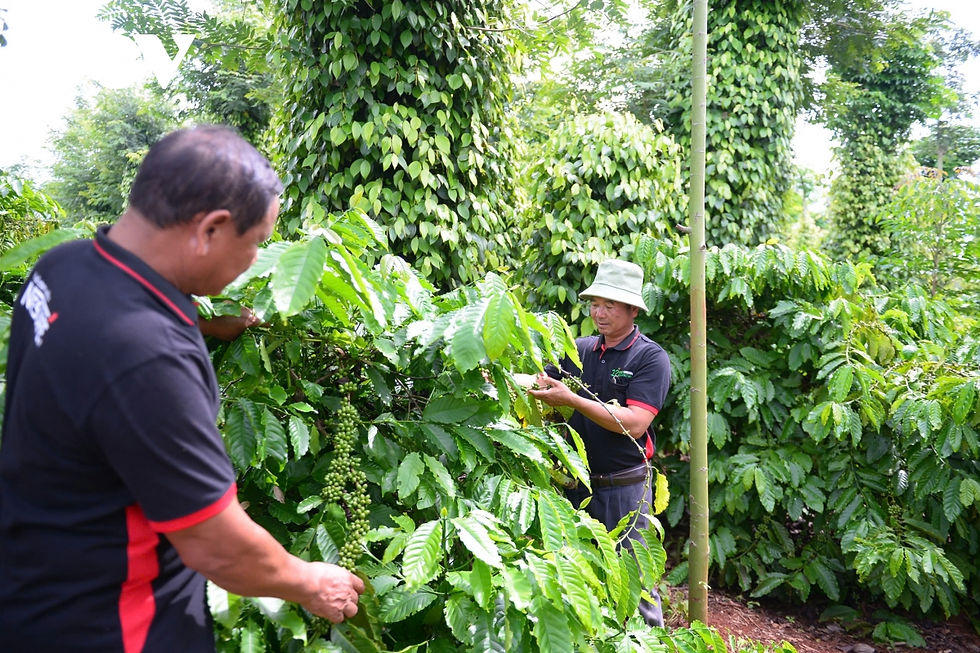
3. Development Orientation for Vietnamese Agriculture
Meeting Standards and Establishing Growing Area Codes
Enterprises and farmers need to accelerate efforts in:
Establishing growing area codes
Completing packing facility codes
Implementing traceability through digital technology
Applying High-Tech Solutions in Agriculture
Automated irrigation
IoT-based pest monitoring
Automated sorting and packing
Irradiation technology and cold storage
Greening Logistics
This is a mandatory requirement for markets such as Europe and Japan:
Using renewable energy
Energy-efficient cold storage
Low-emission transportation processes

4. Practical Solutions for Enterprises and Farmers
Solutions for Enterprises
Invest in raw material areas meeting GlobalG.A.P standards
Upgrade processing factories and cold storage to export standards
Complete traceability systems
Develop Vietnamese agricultural brands in international markets
Apply post-harvest processing technologies
Solutions for Farmers
Cultivate according to VietGAP / GlobalG.A.P standards
Optimize nutrition, irrigation, and biological pest control
Harvest properly to maintain product quality
Collaborate with enterprises for procurement
Participate in training to improve skills

5. The Role of Hoang Minh Agricultural Products in Vietnam’s Agricultural Supply Chain
As a supplier and exporter of agricultural products in Gia Lai, Nông sản Hoàng Minh aims to become a leading enterprise in:
Standardized raw material areas
Quality control from farm to export
Modern post-harvest technologies
Optimized logistics systems
Sustainable connections with farmers and international partners
We are committed to delivering high-quality, safe Gia Lai agricultural products that fully meet international standards, contributing to elevating Vietnamese agriculture in the global market.


Comments